Why Photography Is Banned In The Glowworm Cave
Photography is prohibited in the main Glowworm Cave. Understand the rule, compare permitted-photography alternatives and set realistic expectations.
 Written with Hemi Williams, Waitomo cave guide and local specialist, guiding since 2015
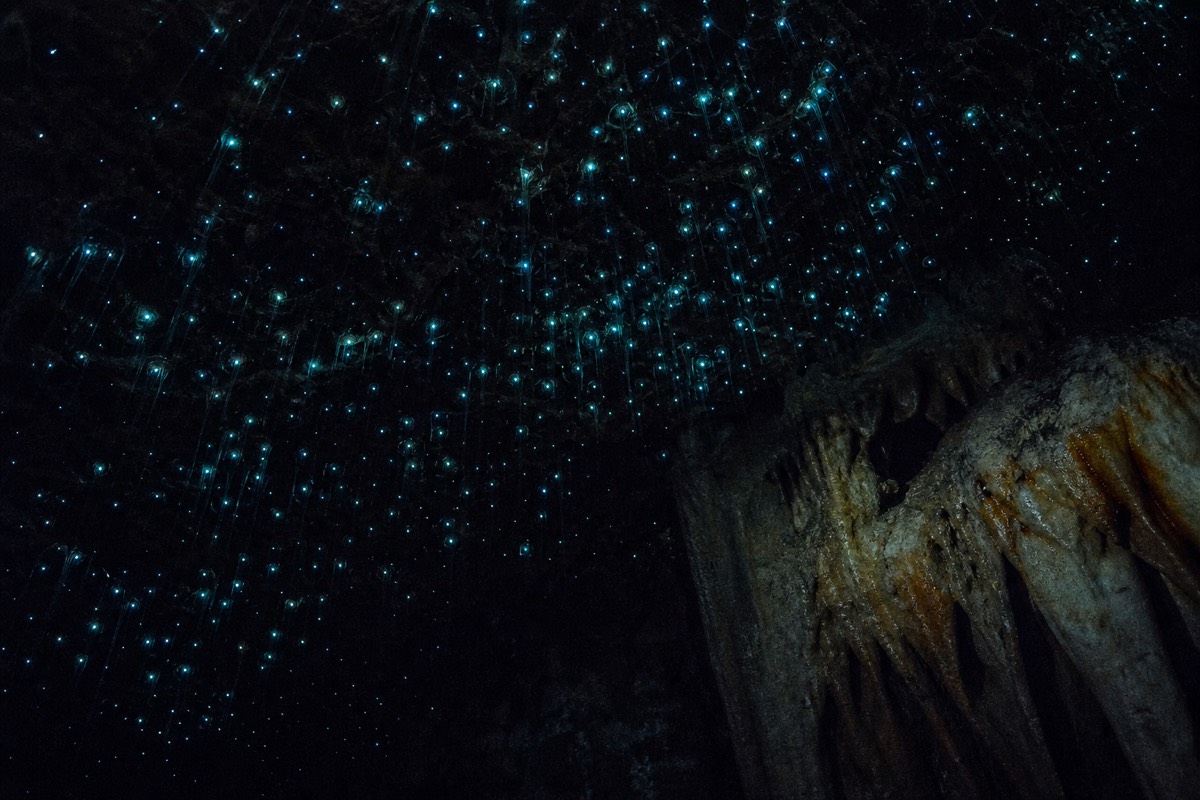
Photography is prohibited in the Waitomo Glowworm Caves. Knowing the rule before choosing a cave avoids disappointment, especially if taking photographs is a priority.
Can You Take Photos In The Waitomo Glowworm Caves?
No. Cameras, phone photography, flash, video and GoPros are all prohibited inside the Waitomo Glowworm Cave. The operator states that photography and video are not permitted; follow the guide’s instructions about devices.
The same operator allows non-flash photography in Ruakuri Cave and Aranui Cave, which is the detail that tells you this is not a blanket commercial policy. The published camera policy differs between the caves.
| Cave | Photography | Video | Flash |
|---|---|---|---|
| Waitomo Glowworm Caves | Not permitted | Not permitted | Not permitted |
| Ruakuri Cave | Permitted | Permitted | Not permitted |
| Aranui Cave | Permitted | Permitted | Not permitted |
Why Does Light Matter To A Glowworm?
The glow attracts prey, and the larvae are sensitive to light. Arachnocampa luminosa is not a worm at all. It is the larva of a fungus gnat, and it spends 6 to 12 months hanging in a mucous tube on the ceiling, dangling up to about 30 silk fishing lines that can run from 2 to 50 centimetres long. It lights its tail end to lure flying insects onto those threads.
Artificial light and physical disturbance can affect glowworm behaviour. Follow the guide’s lighting and quiet instructions rather than testing the colony’s reactions.
The colony is living wildlife, and protecting its habitat is part of managing the attraction.

Is It Really About Conservation, Or About Selling Photos?
The operator sells optional photographs and also manages a sensitive cave environment. Those facts do not establish that souvenir sales explain the camera rule. Decide whether a souvenir is worth its displayed price before buying it.
But the environmental management at this cave goes considerably further than a camera rule. NIWA’s 2020 account describes environmental sensors used to help protect the cave’s structures and microclimate. NIWA has published on the sensing work and the Department of Conservation's cave science material covers the wider question of managing a show cave without wrecking it.
Environmental monitoring provides context, but does not establish the operator’s commercial motives.
The rules people find irritating all sit inside one management programme.
| Measure | What it manages |
|---|---|
| Total photography ban | The dark viewing environment |
| Silence requested on the boat | A quiet shared viewing experience |
| Carbon dioxide monitoring | Air chemistry that dissolves the formations |
| Continuous temperature and humidity monitoring | The colony's stable environment |
What If You Want Photographs Of Glowworms?
Book Ruakuri, and lower your expectations about what a camera can do here anyway. Non-flash photography is allowed at Ruakuri, the tour runs 90 minutes with over a kilometre walked underground, and glowworms are visible on foot rather than from a moving boat. The full comparison of the two caves covers what else changes.
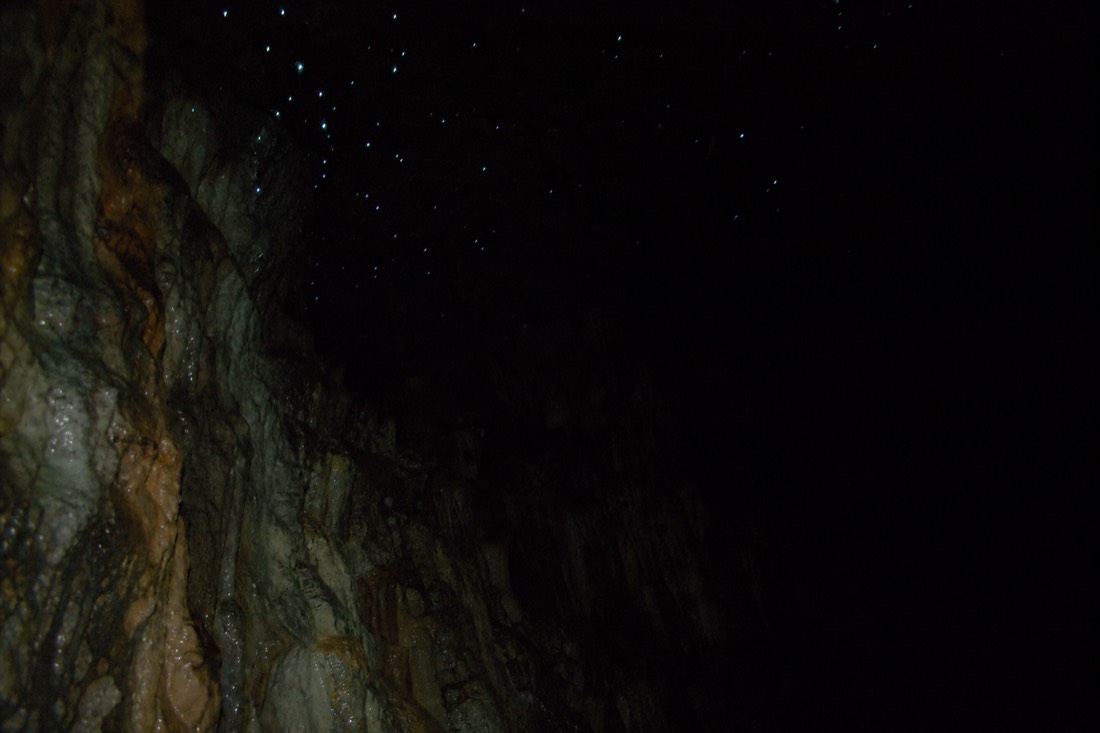
There is a harder truth underneath the rule, though. Glowworm light is faint, diffuse and blue-green, and a handheld phone in a dark cave on a moving boat may struggle to capture it. The reviewer who wrote that "there are some places that photos simply can't capture" was not being poetic, she was being accurate. Why phone cameras fail at this specifically goes into the physics of it.
What Happens To Your Bag And Phone?
Follow the operator’s current instructions for bags and devices. The published rule prohibits photography and video; it does not establish a mandatory phone-surrender shelf. Arrive 30 minutes before departure and allow extra time on site.
| Item | Inside the Glowworm Cave |
|---|---|
| Phone | Follow operator instructions; no photography |
| Camera, any type | Follow operator instructions; no photography |
| GoPro or action camera | Follow operator instructions; no photography |
| Video recording | Not permitted |
| Jacket and walking shoes | Bring them, the cave is 16 °C and damp underfoot |
Do Other Glowworm Sites Have The Same Rule?
Most managed sites restrict flash, and some restrict cameras entirely. The pattern is consistent across New Zealand's show caves, because the biology is the same wherever the species is. Where the rules loosen is at free, unmanaged sites: the Ruakuri Bush Walk near the village is a public track with glowworms visible at night near the main bridge, where visitors must still respect the wildlife and other track users.
That free walk is genuinely the answer for anyone whose main objection is the camera rule. It costs nothing, runs about 45 minutes, and sits 2 km from Waitomo village. What else is worth doing in the district lists it alongside the 35-metre Marokopa Falls and the 17-metre Mangapōhue limestone arch. For the wider picture of where the species can be seen, the survey of glowworm sites across the country covers both islands.
Where At Waitomo Can You Actually Photograph Glowworms?
There are several options, with different rules and formats. The rule is specific to the Glowworm Cave, not to the district, which is the part most annoyed visitors never find out.
| Where | Photography | Practical reality |
|---|---|---|
| Waitomo Glowworm Cave | Prohibited entirely | No photography; follow device instructions |
| Ruakuri Cave | Permitted, no flash | 90-minute guided walk; photography permitted, setup time not guaranteed |
| Aranui Cave | Permitted | No glowworms to photograph |
| Off the Beaten Track eco cave tour | Photos allowed on a small-group tour | A private cave, around 3.5 hours; phones and small cameras only, no tripods |
| Ruakuri Bush Walk at night | Follow track rules and avoid disturbance | Free outdoor option; use a tripod without blocking the track |
The bush walk is the honest answer for anyone whose real goal is an image. It is a free public track about 2 kilometres from the village, glowworms are visible near the main bridge after dark, although weather, track conditions and other visitors still matter.
Is The Rule Unusual For A Show Cave?
Policies vary between managed caves. The variable across sites is how far the restriction goes: flash only, all photography, or nothing at all.
NIWA has documented environmental sensing at Waitomo. Its account explains why monitoring the cave’s air and microclimate matters.
| Measure | What it targets |
|---|---|
| Total photography ban | Light-sensitive wildlife and dark viewing conditions |
| Silence requested on the boat | Quiet visitor behaviour |
| CO2 monitoring | Air chemistry that dissolves calcite formations |
| Temperature and humidity monitoring | The colony's stable environment |
| Managed visitor throughput | Managing visitor effects on the cave |
The monitoring evidence does not establish a single motive for the camera policy.
What Do People Do Instead, And Does It Work?
Some visitors buy a souvenir; others choose a cave that permits photography or simply watch the display. Check the actual souvenir image and price before deciding. There is no obligation to purchase it.
| Instead of a photo | Cost | Does it work? |
|---|---|---|
| The green-screen souvenir | Check displayed price | Personal preference; inspect before buying |
| Book Ruakuri as well | Check selected date and party price | Yes for cave interiors, hard for glowworms handheld |
| The free bush walk with a tripod | Nothing | Yes, with a long exposure |
| Nothing, just look | Nothing | A valid choice if the experience itself is the priority |
Watching without documenting is a valid way to enjoy the cave. Buying a souvenir and taking your own image are separate choices.
How Do You Get A Usable Glowworm Photograph Anywhere?
Tripod, manual mode, a long exposure and somewhere the rules allow it. Handheld photography is challenging because the light is faint, blue-green at around 480 nanometres, and point-sourced against black.
| Requirement | Why |
|---|---|
| A tripod or a solid surface | Exposures run into tens of seconds |
| Manual focus | Autofocus may struggle in very low light |
| A wide aperture | Every stop of light matters at this level |
| High ISO you are willing to live with | Noise is unavoidable; grain beats a black frame |
| A location that permits it | The Glowworm Cave does not; outdoor sites also require care for wildlife and other visitors |
| Patience from everyone with you | A torch can spoil a long exposure and disturb viewing |
The realistic place to try is the Ruakuri Bush Walk after dark, which is free and unguided. A standard moving group tour may not provide time for long exposures. Dedicated private photography tours also exist, with different equipment rules.
Does The Ban Apply To Everything, Or Just Cameras?
The operator prohibits photography and video in the main cave. Follow the guide’s instructions about phones, cameras and lighting; do not assume a storage or confiscation procedure.
| Item | Glowworm Cave |
|---|---|
| Camera of any kind | Follow operator instructions; no photography |
| Phone, even switched off | Follow operator instructions; no photography |
| GoPro or action camera | Follow operator instructions; no photography |
| Video recording | Not permitted |
| Flash | Not permitted |
| Torches | Not needed; the guide manages the light |
| Ruakuri and Aranui | Non-flash photography permitted |
The restriction includes taking photographs or video with a phone. Keep to the guide’s instructions throughout the visit.
Can you use your phone in the Waitomo Glowworm Caves?
Photography and video are prohibited, including with a phone. Follow the operator’s current device instructions.
Which Waitomo cave allows photography?
Ruakuri and Aranui both allow non-flash photography. Ruakuri is the one to book if glowworm photographs matter to you, since Aranui has no glowworms at all, being a dry cave with no water for larvae to fish over.
Does flash actually harm glowworms?
Glowworm larvae are sensitive to light and physical disturbance. Follow the no-photography rule and the guide’s instructions; do not experiment with flash near the colony.
Is the souvenir photograph worth buying?
It is optional. Look at the offered image and displayed price before deciding whether it is worth buying for you.
Can you photograph glowworms anywhere for free?
Yes, on the Ruakuri Bush Walk, a free public circuit about 2 km from Waitomo village where glowworms are visible at night near the main bridge. Low-light photography is difficult; stable support and longer exposures can help where they are permitted.
Choose Your Cave Date
Have your cave experience in mind? Check your travel date before arranging the rest of your Waitomo day.
90-minute guided walk; allow two hours on site. English, glowworms on foot and photography permitted in designated areas, without tripods or extension sticks. Wheelchair/stroller access up to 65 cm wide; confirm individual needs. Own transport to Ruakuri.
Choose Your Cave And Compare Costs
Is your priority permitted handheld photography, a camera-free boat ride, or a tripod/DSLR session?
Tour duration excludes your travel and check-in. These are planning suggestions; confirm suitability and your chosen date with the provider.
- Ruakuri Guided Cave Walk
- 90-minute guided walk; allow two hours on site. English, glowworms on foot and photography permitted in designated areas, without tripods or extension sticks. Wheelchair/stroller access up to 65 cm wide; confirm individual needs. Own transport to Ruakuri.
- Off The Beaten Track Cave Tour
- Around 3.5 hours exploring a wild cave with a guide. Phones and small cameras allowed, no professional cameras or tripods. Uneven terrain; unsuitable for mobility, back or heart problems. Meet the operator locally. Minimum age 12, maximum weight 120 kg and moderate fitness required.
- Glowworm Cave Walk And Boat
- 45-minute guided walk and boat ride; allow extra time for check-in. English. Stairs, no wheelchair access and no photography. Meet at Waitomo; transport is not included.
Compare Your Group Quotes
Enter two like-for-like quotes in NZD, including transport and extras.