When The Waitomo River Rises
The cave has a river running through it and the boat sits on that river. What sustained heavy rain does to a limestone system, and why the tour still usually runs.
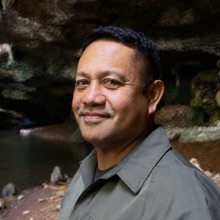 Written with Hemi Williams, Waitomo cave guide and local specialist, guiding since 2015
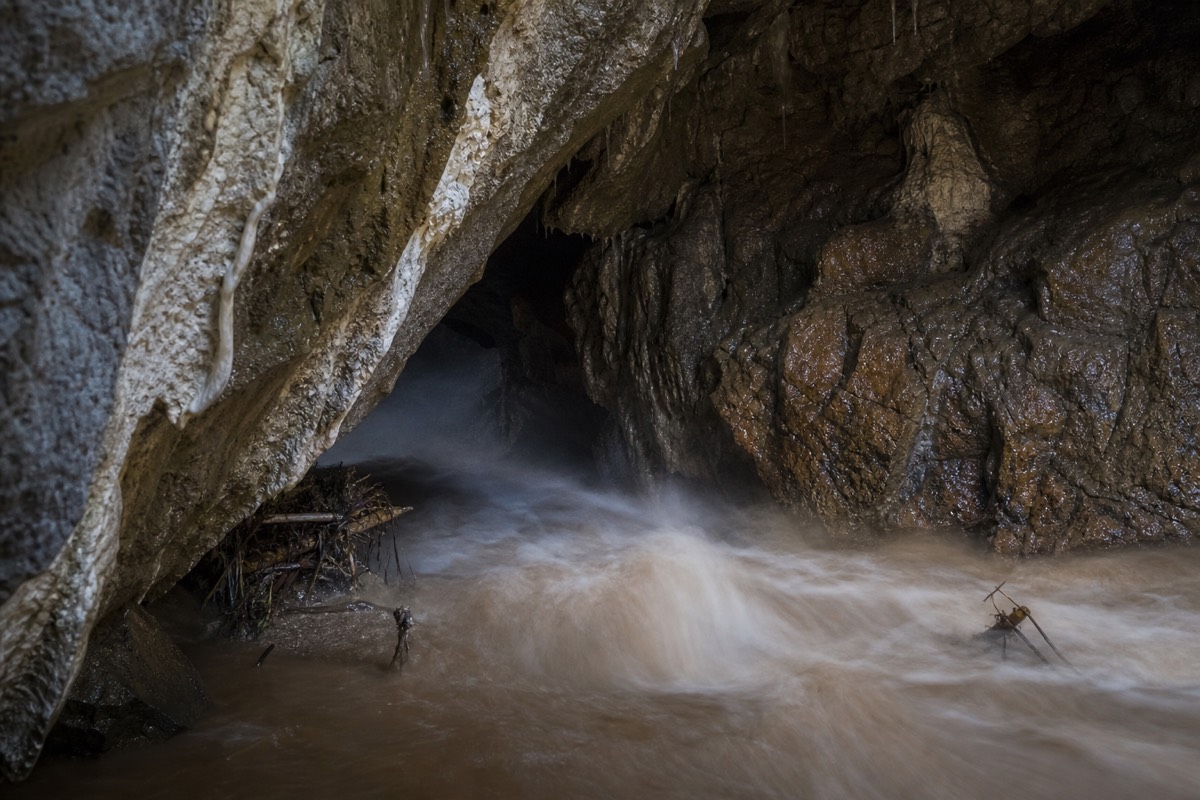
The thing that makes the Waitomo Glowworm Cave what it is also makes it the one part of the operation weather can reach. There is a river in it. The boat that carries you through the Grotto floats on that river, and rivers in limestone country do what rivers do when it rains hard for three days.
Does Heavy Rain Affect The Waitomo Caves?
The boat tour is weather-dependent. Heavy rain can affect the underground river, cave operations and roads or walkways nearby. Check the operator’s updates when conditions are uncertain.
That distinction matters because the two questions get conflated. A wet forecast does not automatically mean cancellation, but an enclosed cave is not a promise of weather-proof operation. Check offered departures and operator updates. A severe weather warning is a reason to check the operator's own updates before driving two and a half hours from Auckland.
| Condition | Cave tour | River level | Roads and walks |
|---|---|---|---|
| Light rain | Check offered departures | Conditions vary | Wet surfaces |
| Steady rain | Operation depends on conditions | May rise | Allow for road conditions |
| Prolonged heavy rain | Check operator updates | Notably higher | Can be affected |
| Winter cold | Check operation for your date | Conditions vary | Short daylight, wet |
Water is what separates the three caves at Waitomo more than anything else.
| Cave | Water | Glowworms |
|---|---|---|
| Waitomo Glowworm Caves | Underground river, boat section | Yes, dense, in the Grotto |
| Ruakuri | Stream passages | Yes, seen on foot |
| Aranui | None | None at all |
Why Does The River Matter?
Because it is the cave. The Waitomo system was carved by water moving through limestone, and it still is. The upper level is dry, the lower level carries the stream, and the Glowworm Grotto is a chamber on that stream where the boat runs.
That is also why the glowworms are there. The larvae hang above the water because insects hatch from it, and those insects are what the silk fishing lines are for. A cave without water is a cave without glowworms, which is exactly why Aranui, a dry cave a few minutes away, has none at all.
So the river is not an inconvenient feature of the tour. It is the reason there is anything to see.

What Actually Stops A Tour?
Both environmental conditions and operational decisions can interrupt a tour. The cave monitors carbon dioxide, temperature and humidity continuously, work NIWA has published on, and visitor access is managed with environmental conditions in mind. Weather also affects the river; neither should be treated as a guaranteed operating condition.
How that monitoring works is the more interesting operational story, and it helps explain environmental management. River conditions also matter to a boat tour.
The practical upshot for planning is straightforward. Book the date you want, keep the free cancellation window in mind, and check the operator’s updates whenever conditions or your departure are uncertain.
A wet forecast may change your plans; check operation and road or track conditions.
| Plan | Dry day | Wet day |
|---|---|---|
| Cave tour | Any slot | Check operation and departure times |
| Marokopa Falls | Check track access | Check track access and weather |
| The drive | Two and a half hours from Auckland | Closer to three |
Is A Wet Day A Bad Day To Visit?
It can still be worthwhile, provided the tour and roads are operating safely. The cave has an enclosed setting, but the boat tour remains weather-dependent. Outdoor walks can be slippery or closed.
Marokopa Falls drops 35 metres and is at its best with water behind it. The Mangapōhue Natural Bridge, a 17-metre limestone arch on an easy 800-metre return walk, sits in a gully that is greener and louder in the wet. Both are about half an hour west of the village. What else there is around Waitomo covers them.
Rain can affect the tour, tracks and travel. Allow extra time for the drive, and the last stretch into the village is narrow rural road. The driving guide covers the route, and the rain guide is the practical version of this piece.
Should You Rebook If It Is Forecast To Pour?
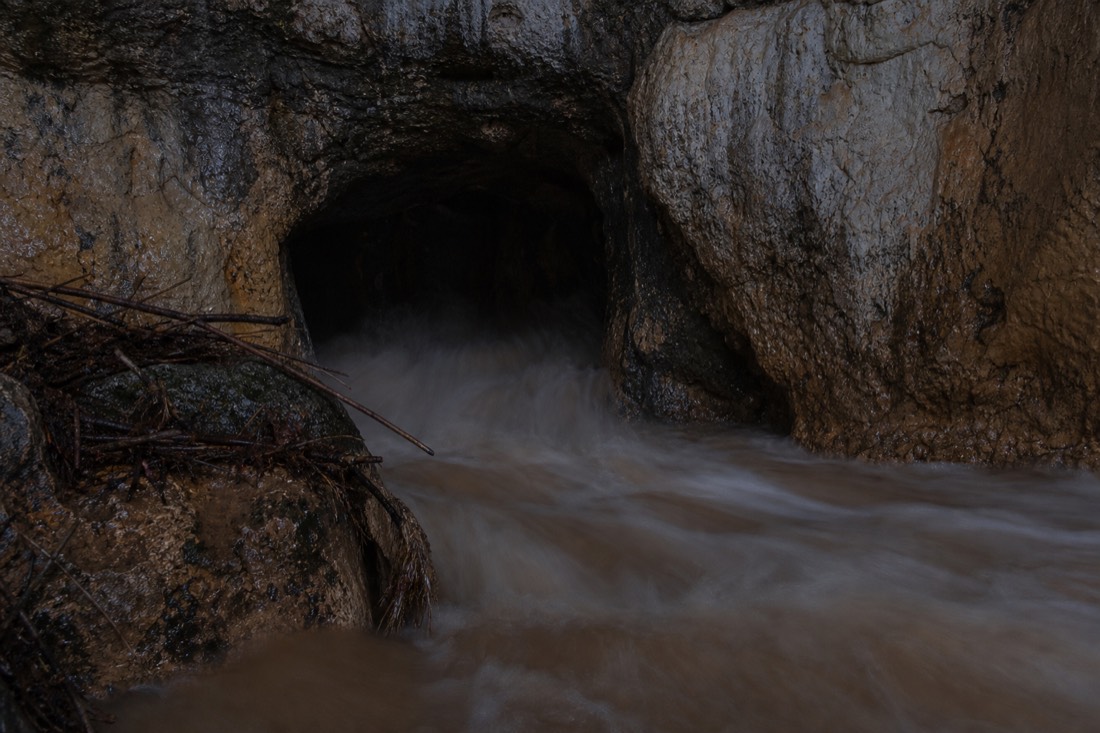
Check conditions and your booking terms before deciding. Weather does not automatically cancel a tour, but it can change whether the boat operates. Check the operator’s advice and your booking’s cancellation deadline.
The listing offers free cancellation up to 24 hours before; later changes are subject to its terms. The booking terms are set out in full separately.
How Does Water Shape Which Cave You Should Book?
Completely, and it is the cleanest single filter in the district. Water means glowworms; no water means formations.
| Cave | Water | Consequence |
|---|---|---|
| Waitomo Glowworm Caves | An underground river, with a boat section | Glowworms viewed from the boat |
| Ruakuri | Stream passages | Glowworms visible on foot |
| Aranui | None at all | No glowworms, but the best formations |
| Black Labyrinth, in Ruakuri | You are in the water | Glowworms overhead while floating |
Anyone booking Aranui expecting glowworms has missed this, and it happens often enough that it is worth stating plainly. A dry cave cannot support larvae that fish for insects hatching out of water.
What Does The River Do To The Cave Over Time?
It made it, and it is still working. The Waitomo system is carved into limestone roughly 30 million years old, and the two-level structure is a record of the water having been higher once and lower now.
| Level | What it was | What it is now |
|---|---|---|
| Upper: Catacombs, Pipe Organ, Banquet Chamber | Old stream passages | Dry, walkable, full of formations |
| Lower: Cathedral, the Grotto | The current stream level | Where the water and the boat are |
| Below that | Not on the tour | The system continues |
Formations grow where water drips and stops growing where it does not, which is why the dry upper level has the stalactites and the wet lower level has the glowworms. The tour walks down through that history in about twenty minutes without ever saying so.
Do the Waitomo caves close when it rains?
The boat tour is weather-dependent; rain does not automatically mean cancellation. Sustained heavy rain raises the Waitomo River, which flows through the cave, and can affect district roads, so check the operator's updates if severe warnings are in force.
Does the river run through the cave?
Yes. The lower level carries the stream, and the Glowworm Grotto is a chamber on it where the boat section runs. The dry upper level, with the Catacombs, Pipe Organ and Banquet Chamber, sits above it.
Why do the glowworms need the water?
The larvae hang above the stream because flying insects hatch from it, and those insects are what their sticky silk lines are designed to catch. Aranui Cave, which is dry, has no glowworms at all for exactly that reason.
What can interrupt a cave tour?
Air quality and river or weather conditions can all affect operation. Check the operator’s updates rather than assuming one is the only possible cause.
Is it worth visiting in the rain?
A rainy-day visit can work if the cave tour and roads are operating. Check local conditions before taking the free walks; rain can make tracks slippery or cause closures.
Choose Your Cave Date
Have a travel date in mind? Check Glowworm Cave Walk And Boat before arranging the rest of your day.
45-minute guided walk and boat ride; allow extra time for check-in. English. Stairs, no wheelchair access and no photography. Meet at Waitomo; transport is not included.
Choose Your Cave
Would you prefer the river boat, glowworms on foot, or a dry formations cave?
Tour duration excludes your travel and check-in. These are planning suggestions; confirm suitability and your chosen date with the provider.
- Glowworm Cave Walk And Boat
- 45-minute guided walk and boat ride; allow extra time for check-in. English. Stairs, no wheelchair access and no photography. Meet at Waitomo; transport is not included.
- Ruakuri Guided Cave Walk
- 90-minute guided walk; allow two hours on site. English, glowworms on foot and photography permitted in designated areas, without tripods or extension sticks. Wheelchair/stroller access up to 65 cm wide; confirm individual needs. Own transport to Ruakuri.
- Aranui Formations Walk
- One-hour guided dry-cave walk with limestone formations and no glowworms. English. Own transport to Aranui; stairs, no wheelchair access. Arrive before the stated check-in time.