The 1887 First Descent, By Candle And Flax Raft
A Māori chief and an English surveyor floated into the Waitomo Stream on a raft of flax stems carrying candles. What they found became the country's most visited cave.
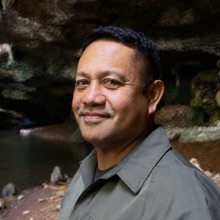 Written with Hemi Williams, Waitomo cave guide and local specialist, guiding since 2015
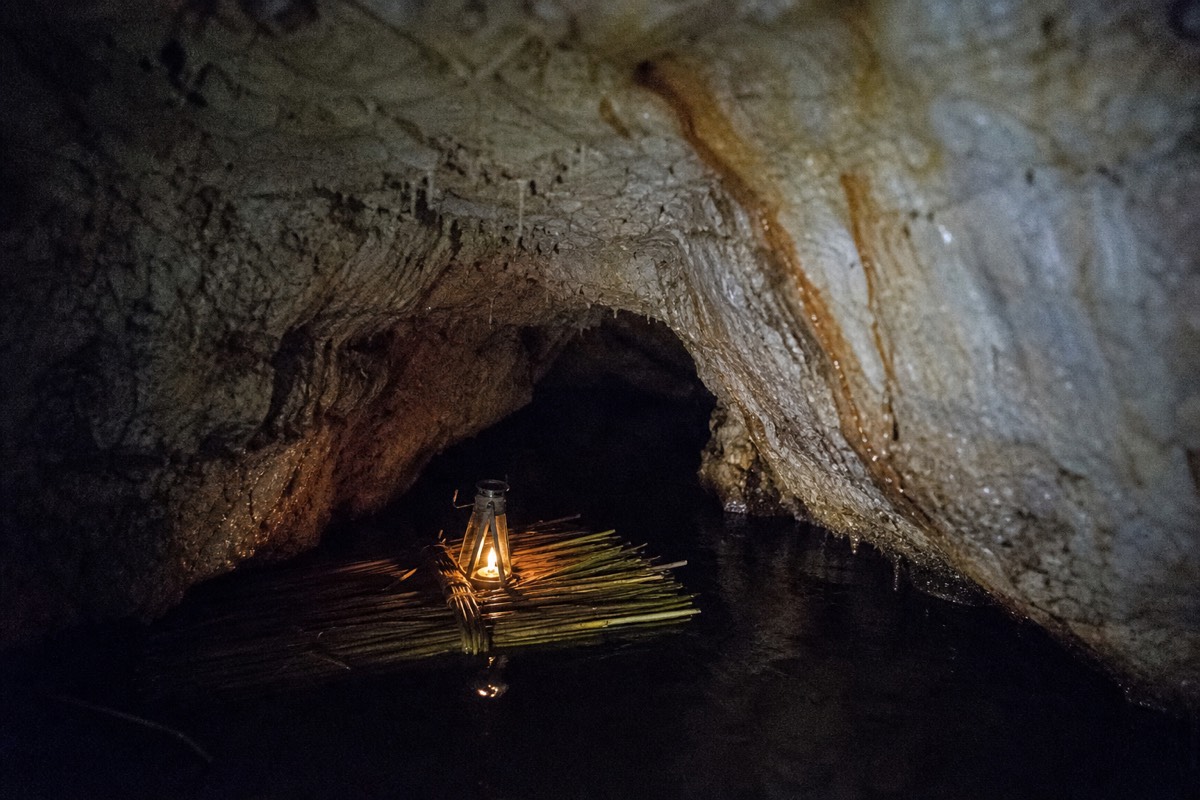
They went in on a raft made of flax stems, in the dark, carrying candles, into a hole in the ground with a river coming out of it. There was no reason to assume they would be able to get back out. What Tāne Tinorau and Fred Mace found in there in 1887 became, within two years, a business, and within a century, the most visited cave in the country.
Who First Explored The Waitomo Caves?
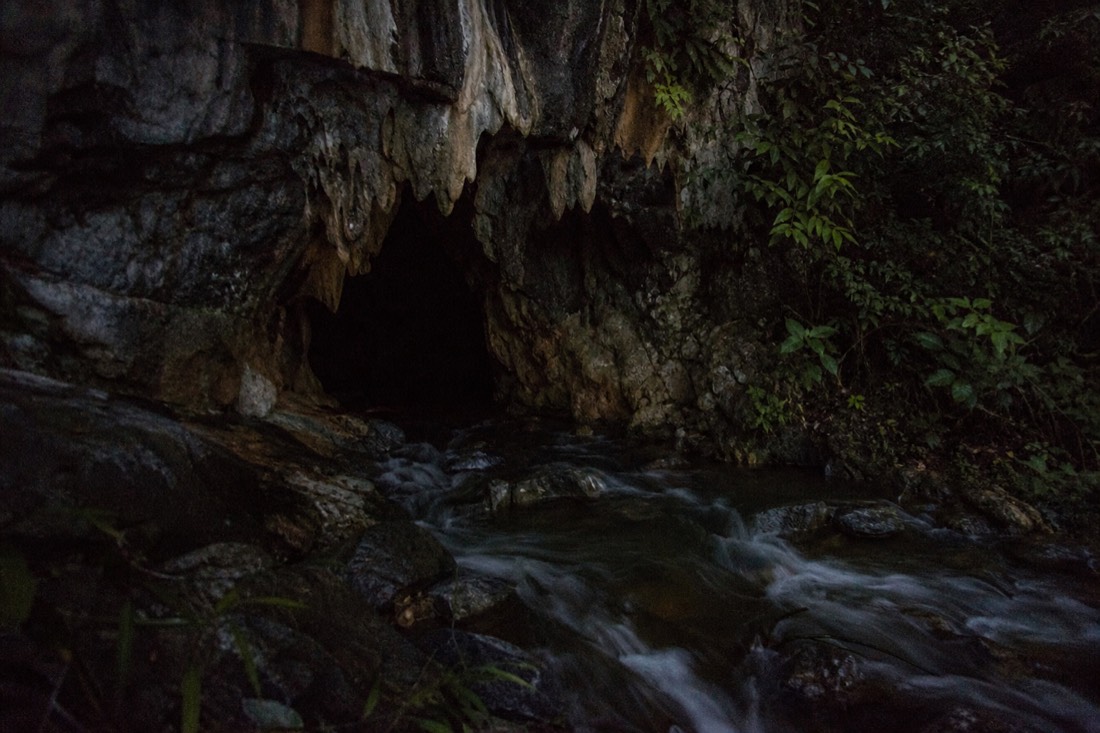
Tāne Tinorau, a Māori chief of the local hapū, and Fred Mace, an English surveyor. In 1887 the two of them entered the cave on a raft of flax stems, floating into the hillside on the Waitomo Stream with candles for light. The stream entrance is the same one the modern tour exits through.
The operator's own account of the history records the raft and the candles, and the encyclopedic record matches it on the date and the names. Local knowledge of the cave predated both men; what 1887 marks is the first documented exploration and survey.
| Year | What happened |
|---|---|
| 1887 | Tāne Tinorau and Fred Mace enter by flax raft with candles |
| c. 1889 | Tāne Tinorau begins taking paying visitors through |
| 1906 | The government takes over administration of the cave |
| 1989 | The caves are returned to the descendants of the original owners |
| Today | Held through the Ruapuha Uekaha Hapū Trust, operated by Discover Waitomo |
What the 1887 party carried against what a visitor carries now.
| 1887 | Today | |
|---|---|---|
| Light | Candles | Low-level electric lighting |
| Transport in | A raft of flax stems | A boat pulled along overhead ropes |
| Route knowledge | None, they were surveying | A formed path with handrails |
| Time inside | Repeated long visits | 45 minutes |
What Did They Actually Find?
Two levels of passages running about 1,300 metres in total, in limestone laid down roughly 30 million years ago. The upper level is dry: the chambers now called the Catacombs, the Pipe Organ and the Banquet Chamber. The lower level carries the stream, and it is where the Cathedral and the Glowworm Grotto sit.
The glowworms would have been the shock. A candle in a limestone passage lights maybe a few metres of rock. Extinguish it, let your eyes adjust, and the ceiling of the Grotto turns into something no candle could have prepared them for: thousands of larvae, each glowing blue-green at around 480 nanometres, hanging silk fishing lines into the dark.
The two of them returned repeatedly and surveyed the system. Within a couple of years Tāne Tinorau had opened it to visitors and was guiding them through himself.

How Did A Private Cave Become A Government Asset?
In 1906, the government took over administration of the cave, and it stayed in state hands for the better part of a century. The details of how that happened are the sort of thing that gets summarised in a sentence on an attraction page and takes a book to do properly.
What matters for a visitor is the ending. In 1989 the caves were returned to the descendants of the original owners under the Waitomo Deed of Settlement, and they are held today through the Ruapuha Uekaha Hapū Trust while Discover Waitomo operates the tours. Some of the guides are descendants of Tāne Tinorau himself. The longer account of that return is worth reading, because it is the part of the story most visitors never hear.
That thread runs through the tour in a way people notice without always knowing why. Reviewers write about guides singing in the Cathedral, and about commentary that treats the cave as a place with owners rather than a natural curiosity. One wrote that her guide "sang a beautiful Maori song in the caves cathedral, its was so moving".
The chambers still carry the names the earliest visitors gave them.
| Name | What it refers to |
|---|---|
| The Catacombs | The narrow upper passages |
| The Pipe Organ | A fluted stone curtain resembling organ pipes |
| The Banquet Chamber | Where nineteenth-century visitors ate underground |
| The Cathedral | The tall domed chamber, named for its acoustics |
Does Any Of It Show On The Modern Tour?
More than you would expect, and the geography is unchanged. The 45-minute tour walks the dry upper level, drops to the underground river, and exits by boat through the stream entrance, which is roughly the route the raft came in by. The Banquet Chamber is named for the meals nineteenth-century visitors ate there.
What has changed is the management. Environmental monitoring helps the operator assess cave conditions and the effects of visitor activity. How that system works is a genuinely modern chapter of the same story.
Photography is also prohibited entirely, which is the rule most visitors notice first. The reason is the colony, not the history.
Is The History Worth Knowing Before You Go?
It changes the walking section from filler into the point. The complaint that dominates reviews is that the boat is short and the walk is long, and the walk is exactly where the history lives: the chambers with their nineteenth-century names, the Cathedral, the guide's commentary.
Visitors who arrive knowing what happened in 1887 and what happened in 1989 tend to describe the tour differently from visitors who arrive wanting glowworms. That is not a marketing claim, it is visible in the reviews. The breakdown of where the 45 minutes go sets out what each section holds.
What Did The Cave Look Like Before The Walkways?
A stream disappearing into a hillside, and then nothing you could stand on. The formed paths, handrails and low lighting that make the modern tour a 45-minute stroll did not exist, and the only practical route through the lower level was the water itself.
| Then | Now |
|---|---|
| A flax-stem raft on the stream | A boat pulled along overhead ropes |
| Candles | Low-level electric lighting, deliberately dim |
| No route, they were surveying | A formed path with handrails throughout |
| Unknown extent | About 1,300 m of passages mapped on two levels |
| Two explorers | Scheduled guided visitor groups |
The one thing that has not changed is the exit. The modern tour still comes out through the stream entrance, which is broadly where the raft went in.
Why Does The 1887 Story Matter To A Visitor?
Because it explains the shape of the tour you are on. The walking section that reviewers call long is the upper level Tāne Tinorau and Fred Mace surveyed; the boat that reviewers call short is the route they entered by.
| Feature of the modern tour | Where it comes from |
|---|---|
| The walk comes first, the boat last | The cave's geology: dry upper level, stream below |
| The chamber names | Nineteenth-century visitors, not marketing |
| The Banquet Chamber | Where early visitors actually ate |
| Guides who are descendants | The 1989 return of the caves to their owners |
| Exiting by water | The original 1887 entrance |
The modern tour combines the cave’s physical setting with guide commentary; it is not a reenactment of the first exploration.
Who discovered the Waitomo Glowworm Caves?
The first documented exploration was in 1887 by Tāne Tinorau, a Māori chief of the local hapū, and Fred Mace, an English surveyor, who entered on a raft of flax stems carrying candles. Local knowledge of the cave predated that expedition.
When did the caves open to visitors?
Around 1889, roughly two years after the first exploration, when Tāne Tinorau began taking paying visitors through the cave himself. The government took over administration in 1906.
Who owns the caves now?
The descendants of the original owners, through the Ruapuha Uekaha Hapū Trust, following the return of the caves in 1989 under the Waitomo Deed of Settlement. Discover Waitomo operates the tours, and some guides are descendants of Tāne Tinorau.
How old is the cave itself?
The limestone is Oligocene, roughly 30 million years old, and the cave system carved into it holds about 1,300 metres of passages on two levels. The Te Anau glowworm caves in Fiordland, by contrast, are only around 12,000 years old and still forming.
Can you see where they entered?
The modern tour exits by boat through the stream entrance, which is broadly the route the flax raft came in by in 1887. The dry upper chambers the two men surveyed are the same ones the walking section covers today.
Choose Your Cave Date
Ready to visit the place behind the exploration story? Check your date for the guided walk and glowworm boat ride.
45-minute guided walk and boat ride; allow extra time for check-in. English. Stairs, no wheelchair access and no photography. Meet at Waitomo; transport is not included.
Choose Your Cave
Are you already visiting Waitomo, or do you need a day trip from Auckland that includes the cave?
Tour duration excludes your travel and check-in. These are planning suggestions; confirm suitability and your chosen date with the provider.
- Glowworm Cave Walk And Boat
- 45-minute guided walk and boat ride; allow extra time for check-in. English. Stairs, no wheelchair access and no photography. Meet at Waitomo; transport is not included.
- Auckland Hobbiton And Waitomo Day Trip
- Around 11 hours from Auckland, including Hobbiton, Waitomo cave admission, transport and lunch. English guided day trip; choose an offered pickup and confirm the itinerary. Not a local cave ticket.